Sensory-Inclusive Playground Elements for Children with Autism
- Sensory-inclusive playgrounds give children multiple ways to participate, explore, and take a break.
- Quiet spaces, tactile panels, musical elements, and inclusive swings can support different sensory preferences.
- Accessible layouts help schools, parks, and municipalities create play spaces that welcome more children.
Thoughtful inclusive playground design recognizes that children can respond to sound, touch, movement, light, and busy environments in different ways. A sensory inclusive playground gives children choices, helping them participate at a comfortable pace while supporting confidence, social interaction, and developmental growth.
What Makes a Playground Sensory Inclusive?
Children with autism may seek certain sensory experiences or prefer lower stimulation at different times. A well-planned space can include calmer areas alongside active play, with clear routes and distinct activity zones that make the environment easier to understand and explore.
Sensory-Friendly Features That Support Choice
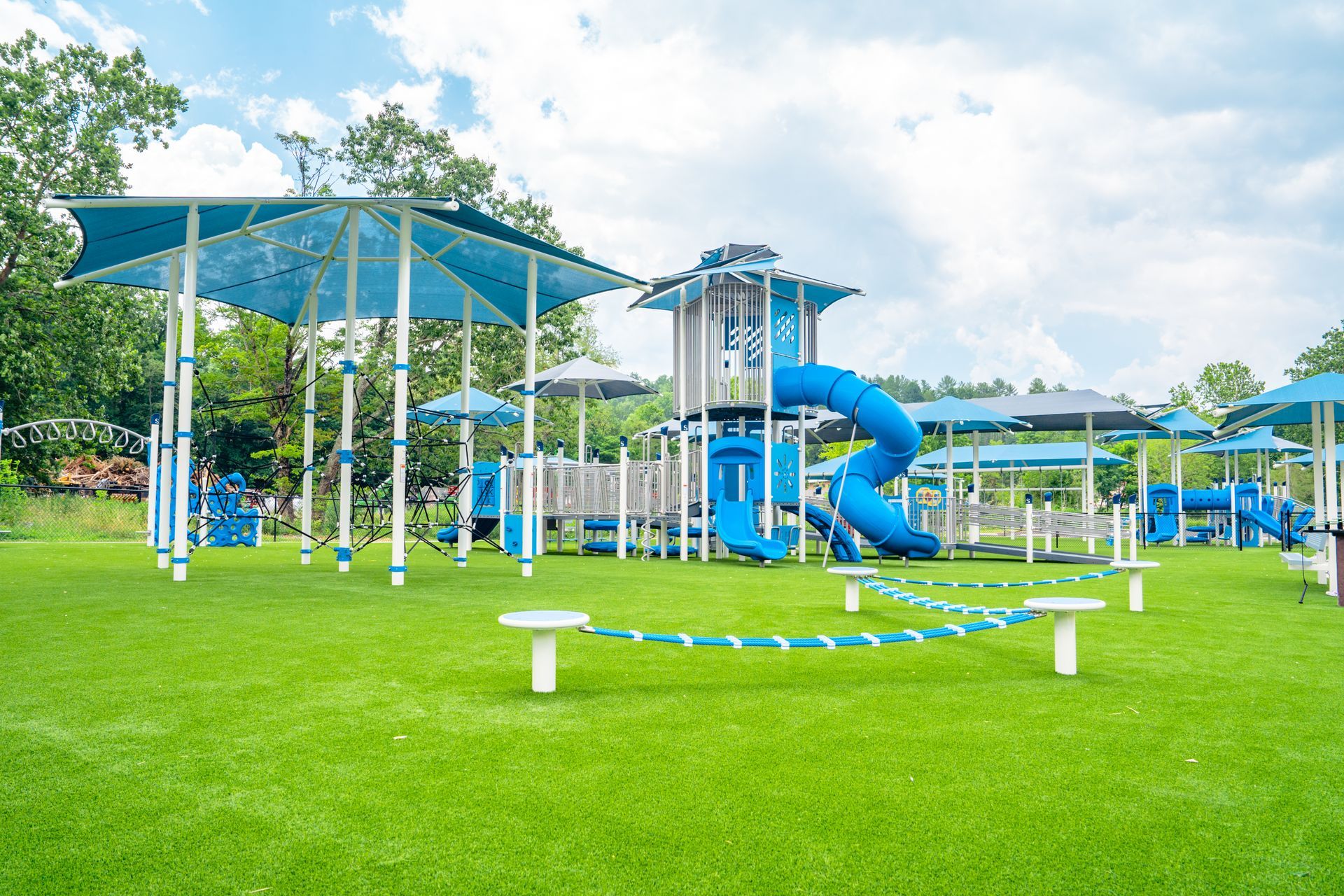
Sensory playground equipment can include tactile panels, musical play elements, inclusive swings, ground-level activities, and quiet retreat spaces. Variety matters because no single feature works for every child. MAPA Recreation helps communities combine accessible playground equipment with engaging options that encourage independent play, shared experiences, and connection.
Planning for Accessibility and Long-Term Value
Inclusive playground design starts with understanding who will use the space. Schools, parks, and municipalities should consider accessibility, supervision, circulation, surfacing, shade, and opportunities for both independent and group play.
When you are planning a new sensory-inclusive playground or upgrading an existing space, our team can help create a recreation plan that balances safety, accessibility, durability, and community goals.
Ready to plan a more inclusive play space? Request a site consultation to discuss your project with our team.
Image credit: // Shutterstock // STEKLO